George Washington @ 250: Reflection and Forgiveness in Easter Week
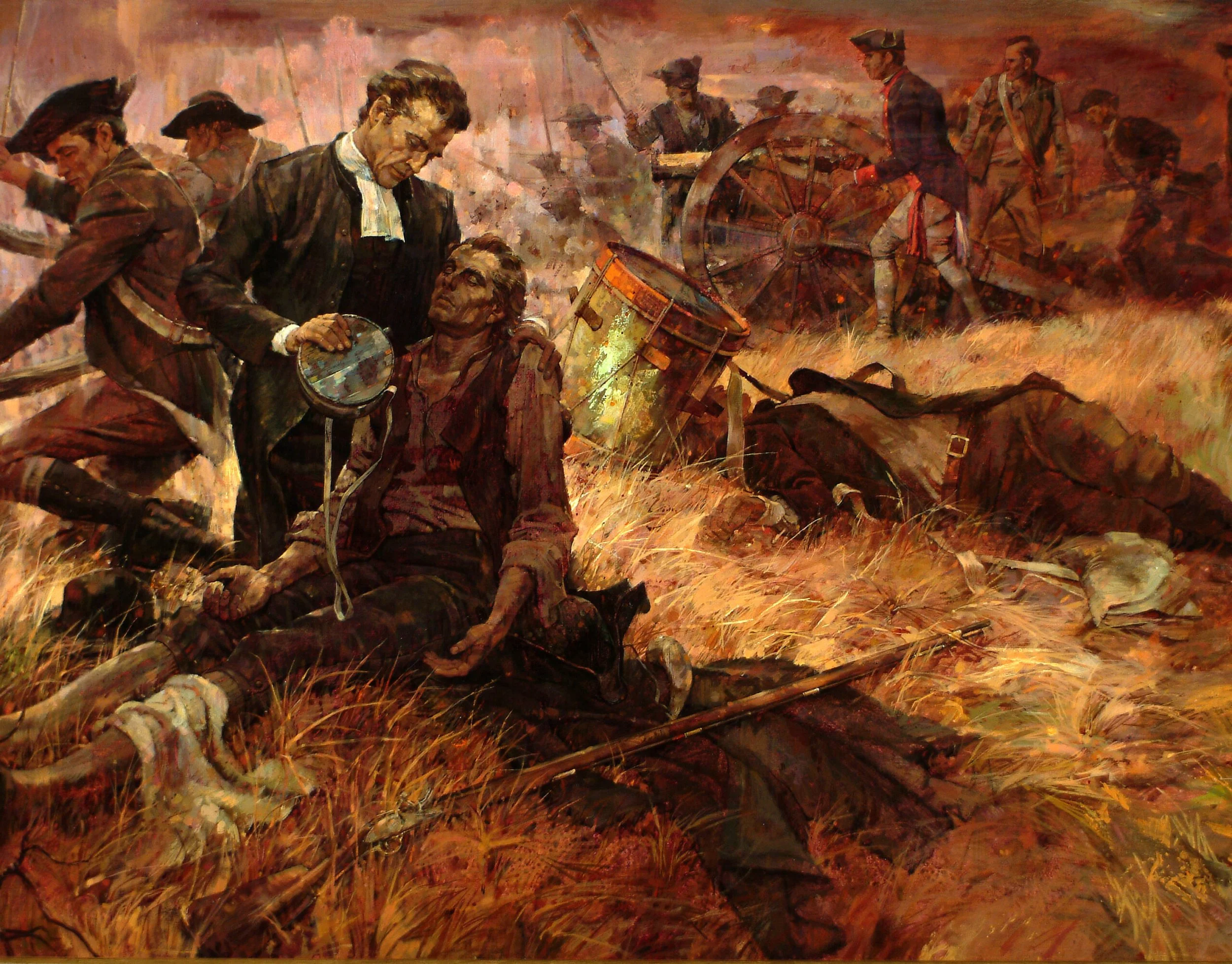
Chaplain at Breed’s Hill, 1775 (US Army Collection)
Revolution is the Lord’s Work
George Washington believed in God. How or in what form he believed, or did or did not engage in formal observances, is debatable—and debated—but believe he did. And the Creator seems to have been much on his mind 250 years ago, during the first week of 1776.
Among his many pressing duties, he took time to write a letter to members of the Congregation of Woodstock, Connecticut, imploring them to allow their Reverend, Abiel Leonard, to remain with the Continental Army as a chaplain. “His usefulness in this Army is great,” Washington wrote; “he is employed in the glorious work of attending to the Morals, of a brave people who are fighting for their Liberties, the Liberties of the people of Woodstock, the Liberties of all America, We therefore hope—that Knowing how nobly he is employed—the Congregation of Woodstock will chearfully give up to the public, a gentleman So very usefull.” The congregation conceded; how could they deny such a heartfelt appeal from the Commander in Chief?
Otherwise, he kept a watchful eye to sea, where the British fleet had yet to depart the coast. “The Enemy have the best nack at puzling People I ever met with in my life,” he told Lieutenant Colonel Joseph Reed on March 25; what they were doing “the Lord knows.” Finally, though, the ships departed on March 27—bound for Halifax, Nova Scotia, though Washington didn’t know it—and the general didn’t waste a moment before ordering his officers to prepare an immediate movement with the bulk of the army to New York City, saving four battalions that Congress mandated should be sent to reinforce Benedict Arnold outside Quebec.
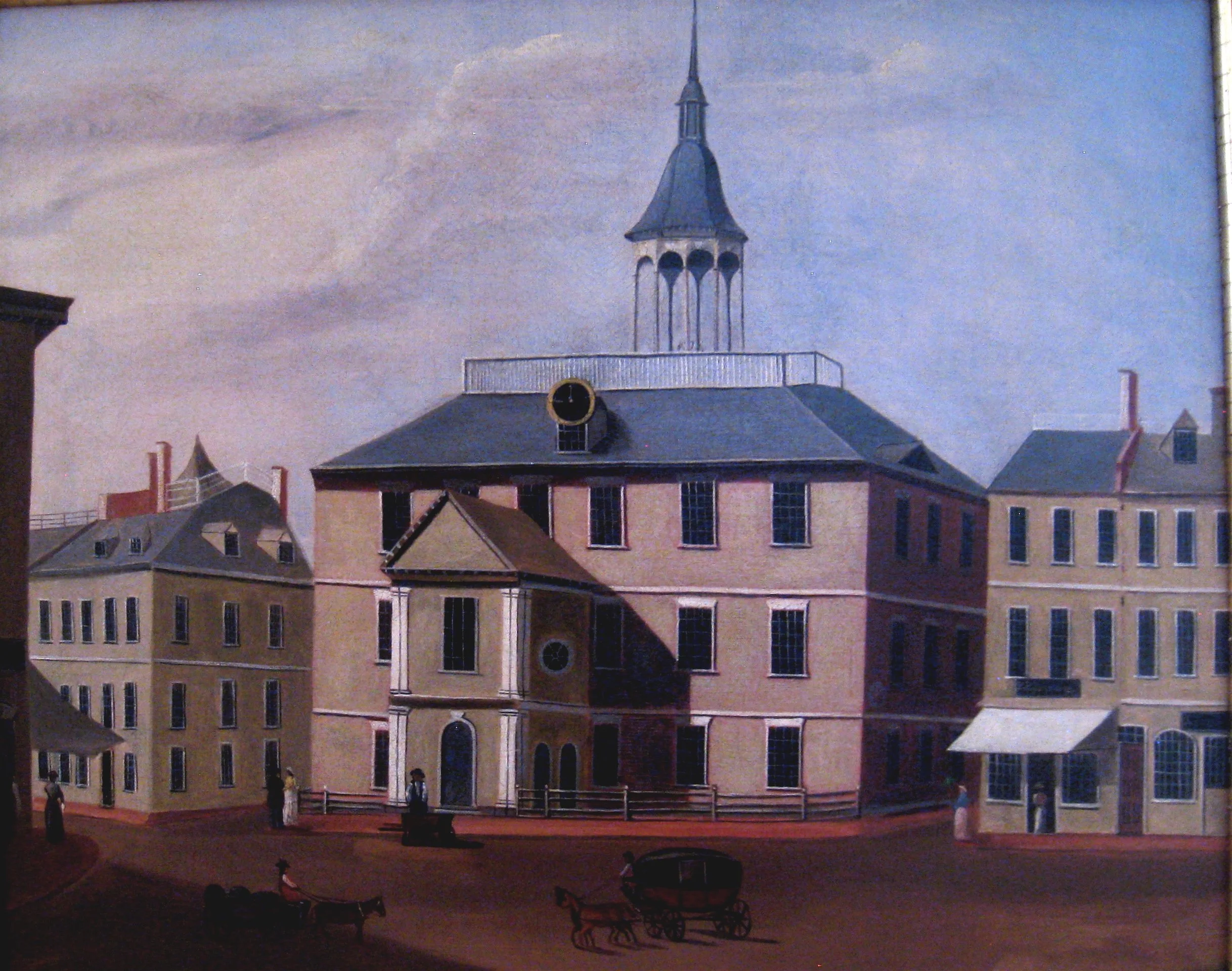
Old Brick Church, or First Church (Old State House Museum, Boston)
Relaxation, Reflection, Forgiveness
With the British Navy out of sight, Washington finally allowed himself a little relaxation. On March 28, he entered Boston, going to First Church to attend an “excellent and well-adapted discourse” by Rev. Dr. Andrew Eliot on Isaiah 33:20, which reads in the King James Version: “Look upon Zion, the city of our solemnities: thine eyes shall see Jerusalem a quiet habitation, a tabernacle that shall not be taken down; not one of the stakes thereof shall ever be removed, neither shall any of the cords thereof be broken”—a clear allusion by Eliot to hopes for Boston, and America.
After this edification, Washington and his entourage, including several of his senior officers, “proceeded to the Bunch of Grapes tavern, where an elegant dinner was provided at the public expense; after which many proper and pertinent toasts were drank.” A witness proclaimed that “Joy and gratitude sat in every countenance, and smiled in every eye.”
Four days later on April 1 at the beginning of Easter Week (Easter was April 7), Washington addressed a kind of prayer to the Massachusetts General Court. The words clearly were intended for public consumption, but there’s no reason to believe that they were not also heartfelt: “May that being who is powerfull to save, and in whose hands is the fate of Nations, look down with an eye of tender pity & compassion upon the whole of the United Colonies—May he continue to smile upon their Councils and Arms, & crown them with success, whilst employed in the cause of virtue & of mankind—May this distressed Colony & Its Capitol, and every part of this wide, extended Continent, thro his divine favor, be restored to more than their former lustre and once happy state, and have peace, liberty & safety secured upon a solid, permanent, and lasting foundation.”
One cannot help but wonder if such thoughts, whether Eliot had instigated them or they proceeded from his own thoughts, or readings, did not bring Washington into a state of mind when even loyalists could become objects of compassion. Writing of them to Reed on April 1, he mused: “Unhappy wretches! Deluded Mortals! Would it not be good policy to grant a general Amnesty? & conquer these People by a generous forgiveness?”