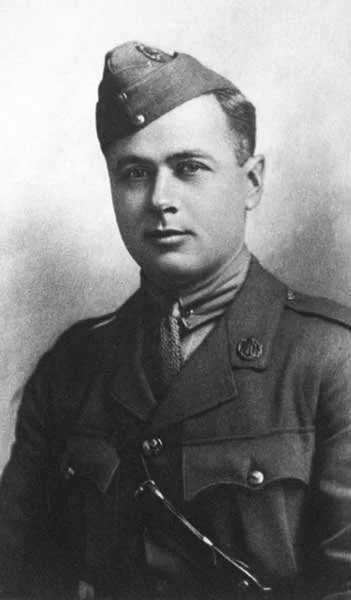
Night Bombing in Handley-Page Aircraft, 1917-1918: Great War Memoirs, Short Reviews
An account by an American flier in a British Handley-Page night bombing squadron highlights this installment of Great War Memoirs, Short Reviews
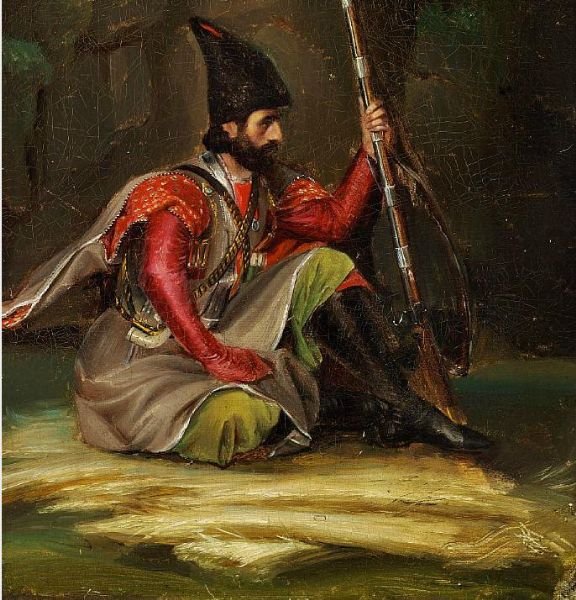
Insurgency Leadership, an Epochal War: Lions of the Atlas
Algeria’s resistance war of the 1830s-1840s defined insurgency conflict as we understand it today.

Flamboyant American Exile, Aspiring Conqueror of Algeria: Lions of the Atlas
Marshal Bertrand Clauzel is one among a series of fascinating characters appearing in my forthcoming book, Lions of the Atlas.

An English Officer’s Disillusionment at the Somme and Ypres: Great War Memoirs, Short Reviews
Novelist A. Hamilton Gibbs penned one of the first and most important testaments to Disillusionment on the Western Front in World War I

The Silence
Five years since my son’s death, the silence still lingers . . . and still heals.

Royal Irish Rifles, Suvla Bay, Gallipoli and Greece, 1915-1917: Great War Memoirs, Short Reviews
Review of an Irish officer’s harrowing memoir of World War I fighting the Turks and Bulgarians at Gallipoli and in Greece
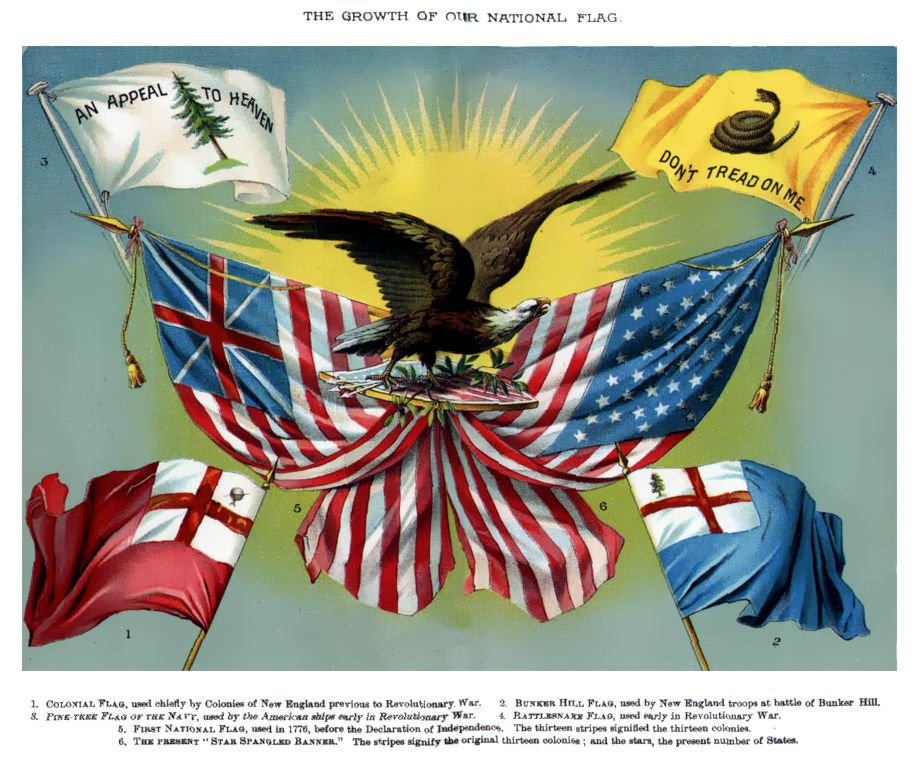
“All Distinctions Sunk in the Name of an American”: George Washington @ 250
George Washington’s correspondence from the end of July 1776 reveals the voices of enslaved men, and the importance of unity.

AI for Kids! Why Not? What Could Possibly Go Wrong?
AI’s promoters think we should let them befriend our kids. Should we?
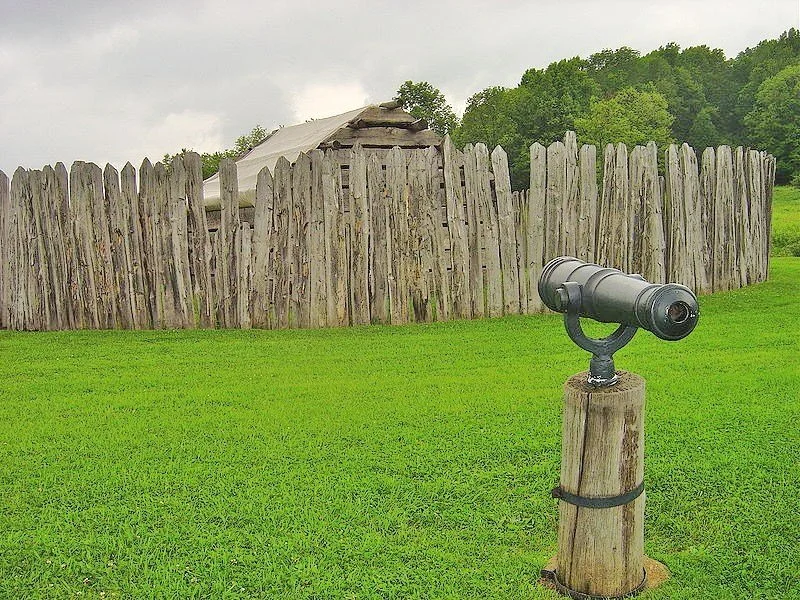
A Combat Veteran’s Reminiscences, Submarines, and Fashion Advice: George Washington @ 250
A wild week at headquarters found Washington reminiscing about past battles, aiding the invention of a submarine, and offering military fashion advice.
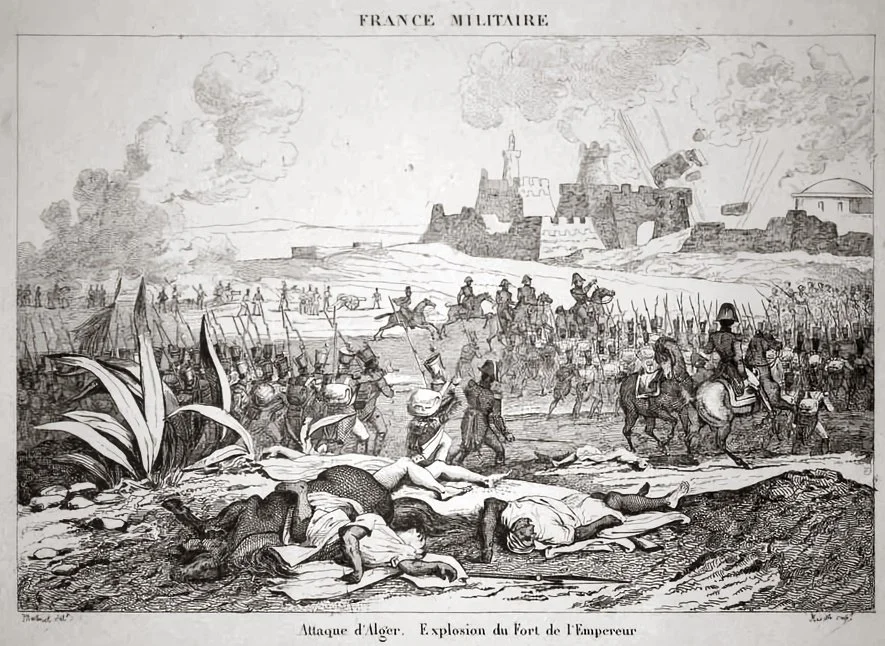
The Emperor’s Fort Explodes: Algiers, July 4, 1830. Lions of the Atlas
A huge explosion at the Emperor’s Fort outside Algiers on July 4, 1830, served as a cataclysmic curtain-raising for the Lions of the Atlas.
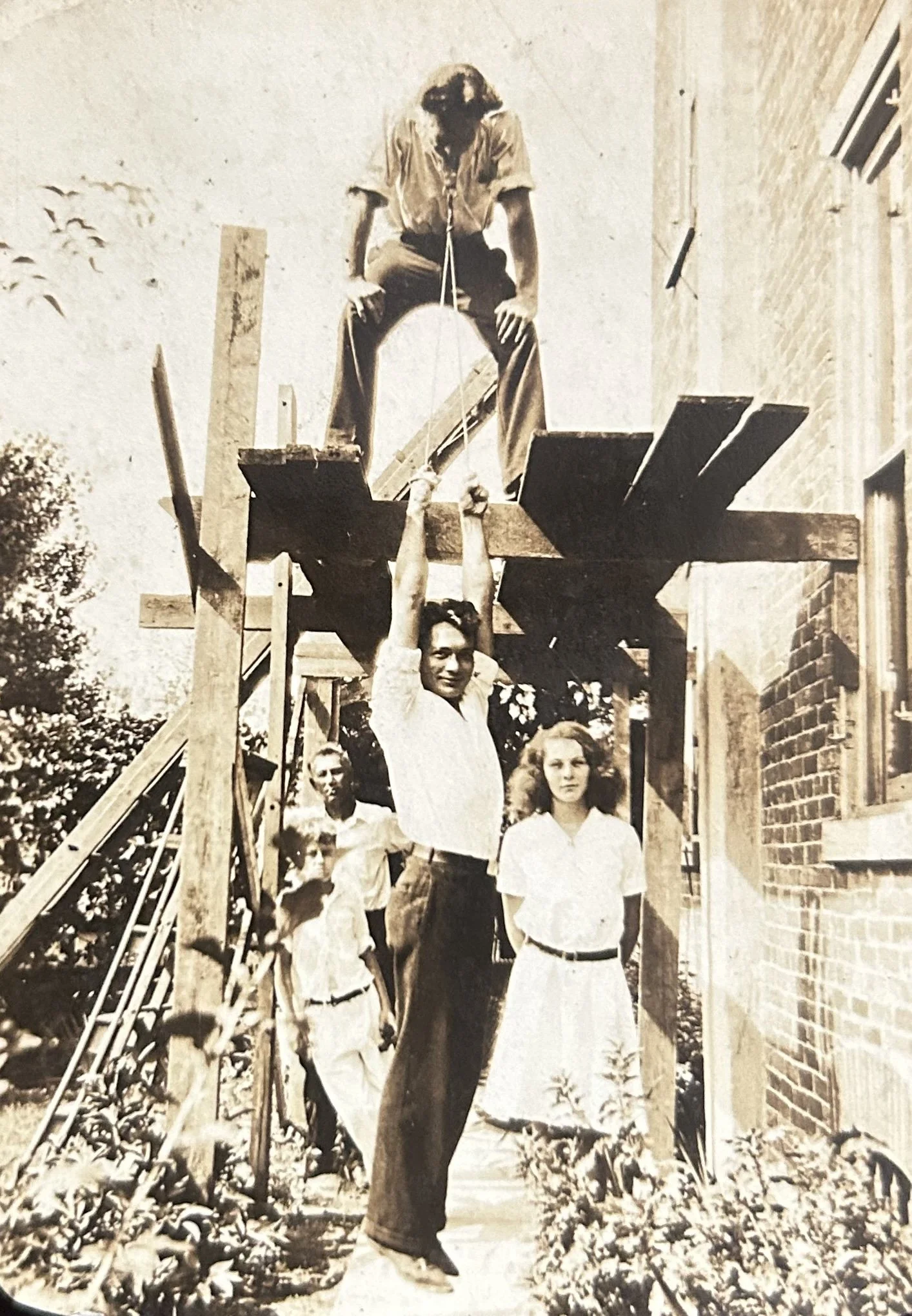
A Pennsylvania Doughboy with the Rainbow Division, 1917-1918: A Personal Story
A personal story of my great-granduncle George Shade, a Doughboy with the Rainbow Division in World War I
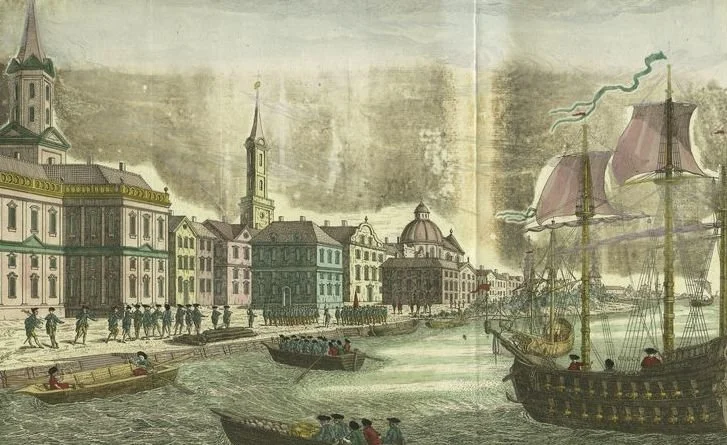
The Growing Crisis, July 1776: George Washington @ 250
British Admiral Richard Howe’s attempts at conciliation with the Americans hit a brick wall as the military showdown approached.
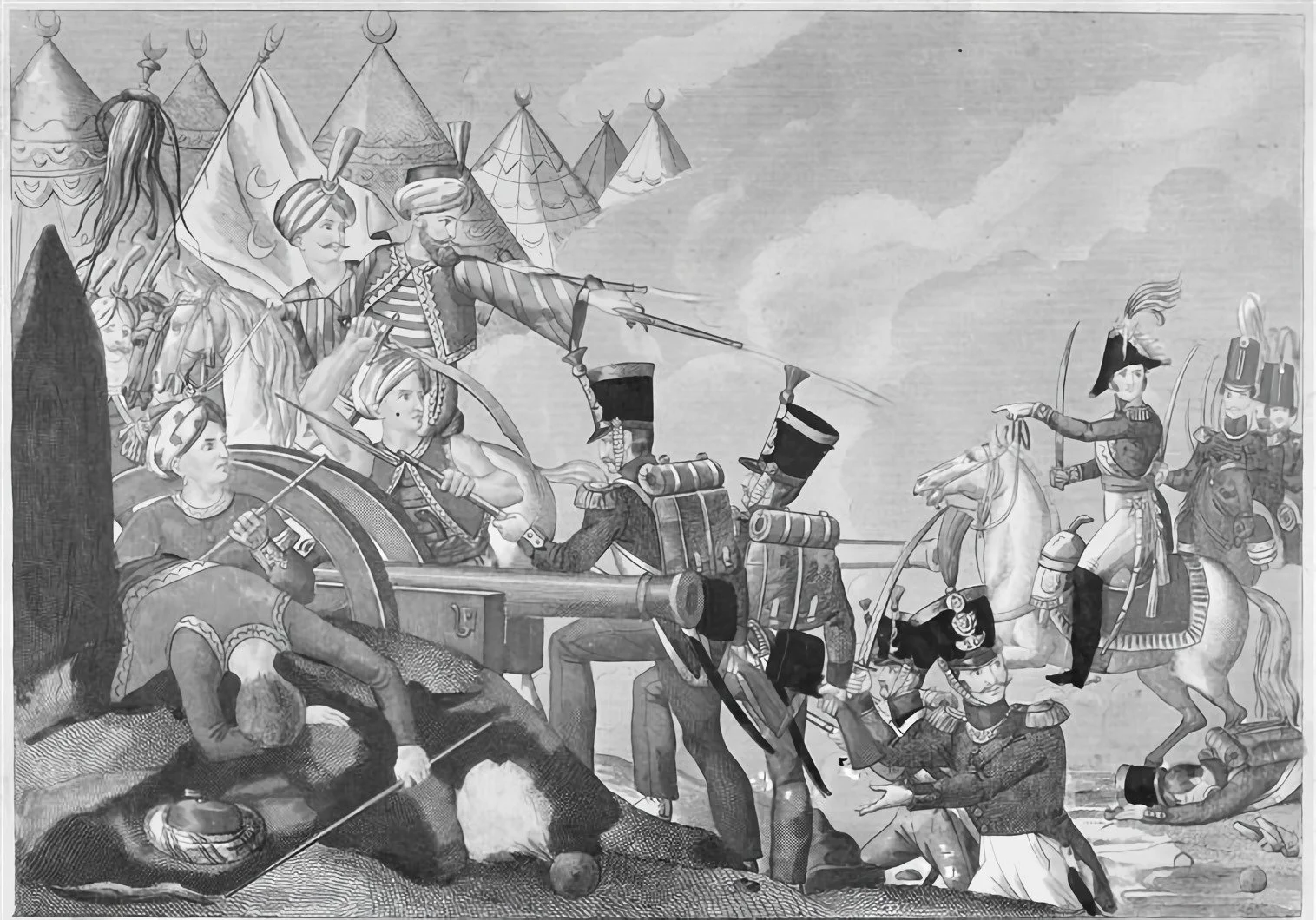
The Battle of Staouëli, June 19, 1830, Begins the Wars for North Africa. Lions of the Atlas
Close quarters fighting amid towering sand dunes and on a bitterly contested hillock marked a bloody opening to the wars for North Africa.
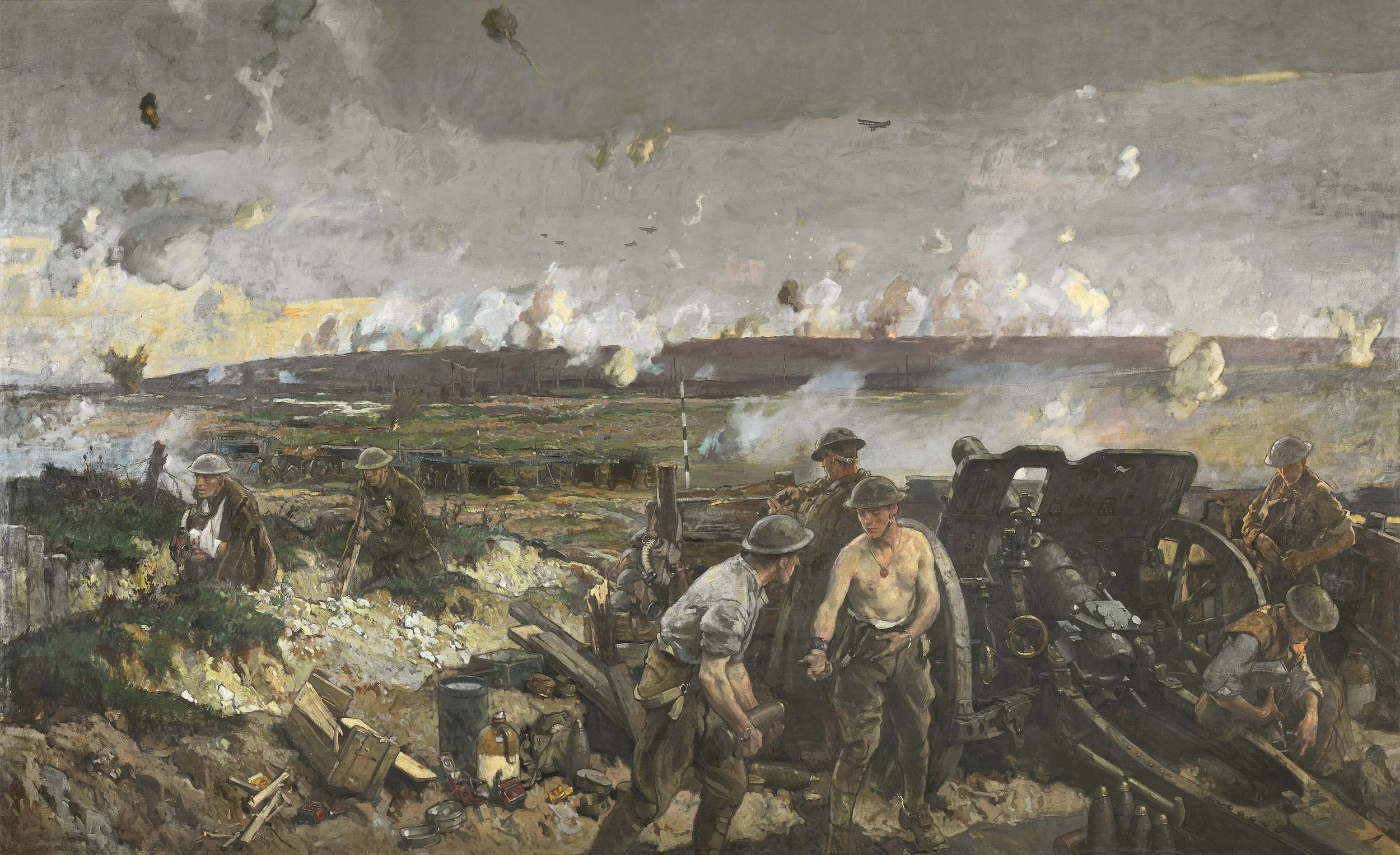
A Canadian Signaler at Vimy Ridge: Great War Memoirs, Short Reviews
Canadian signaler Donald Stuart Macpherson’s wartime experiences at Vimy Ridge and other battles left him forever transformed.
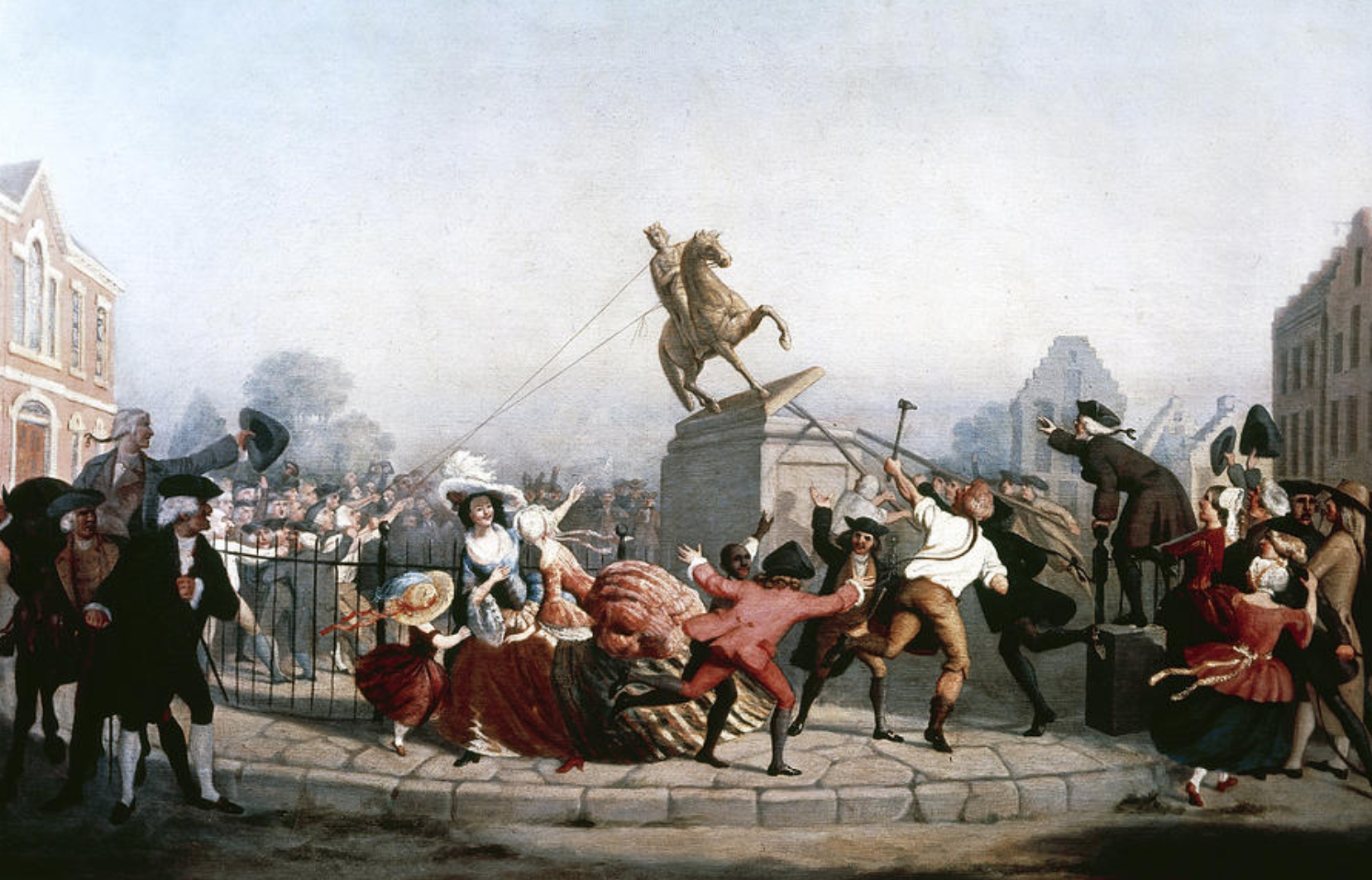
The Cause of Independence: New York, July 1776. George Washington @ 250
George Washington had the Declaration of Independence read to his troops on July 9. Afterwards, they toppled the statue of King George III.
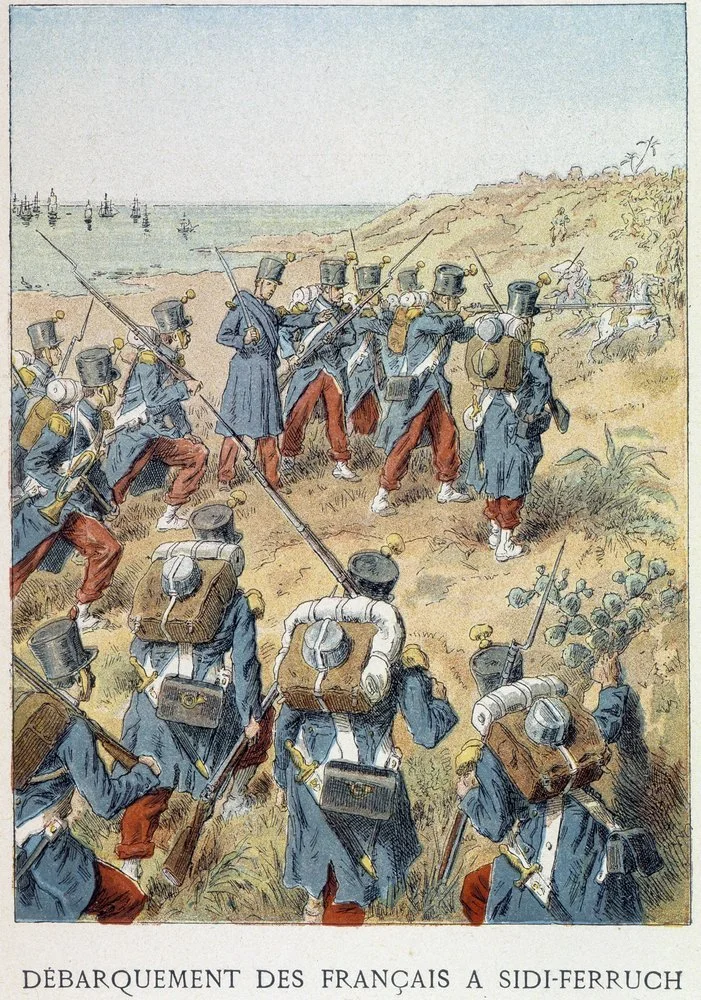
Amphibious Assault Ignites a Century of Conflict: The French Invasion of Algeria, 1830; Lions of the Atlas
The French Invasion of Algeria on June 14, 1830, sparked a century of epic battles and campaigns for mastery in North Africa
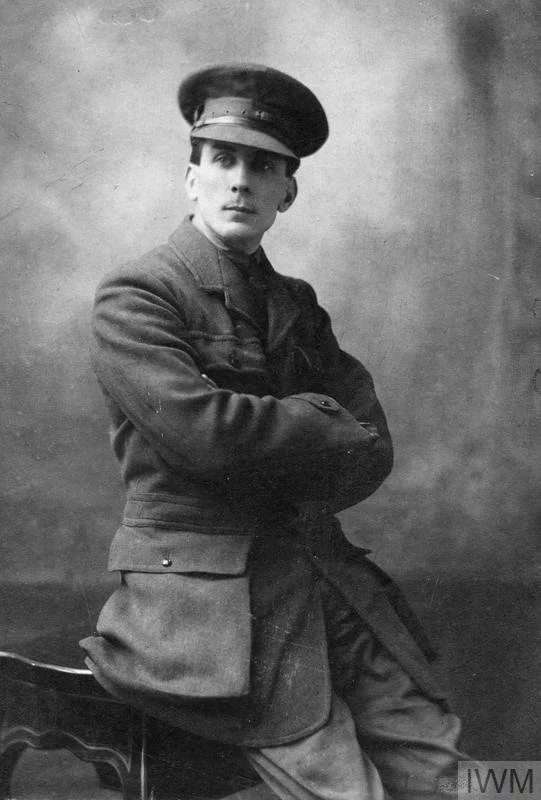
Filming the Battle of the Somme, 1916: The Adventures of Geoffrey Malins; Great War Memoirs, Short Reviews
The man who filmed The Battle of the Somme in 1916 was a madman, and a genius.

Invasion! Independence Week, 1776: George Washington @ 250
The Continental Congress declared independence even as the British Invasion commenced, placing Washington between two flames.
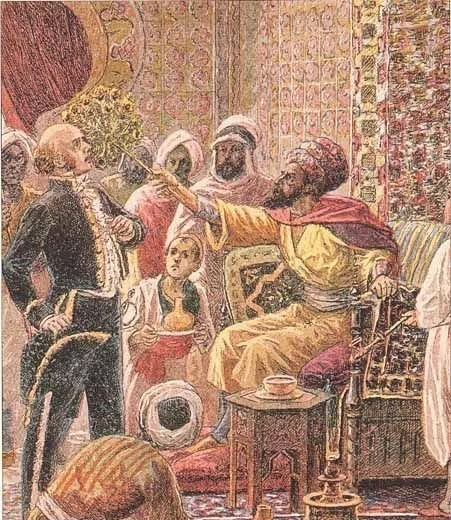
Defiance Sparks Imperial War: Unleashing the Lions of the Atlas
A trivial incident sparks a century of warfare, unleashing the Lions of the Atlas!
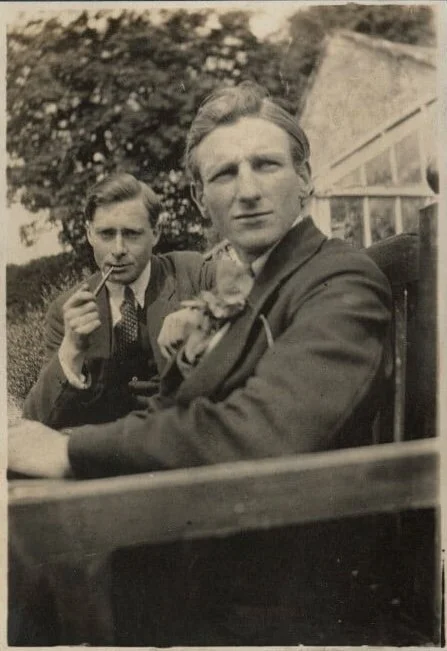
Gommecourt, July 1, 1916, Battle of the Somme: A Subaltern’s Memories; Great War Memoirs, Short Reviews
British Subaltern Edward Liveing’s harrowing experiences of the Battle of the Somme’s First Day, July 1, 1916, form the subject of a superb, and short, World War I Memoir