George Washington @ 250: Self-Doubt, A Daring Plan, A Momentous Council of War
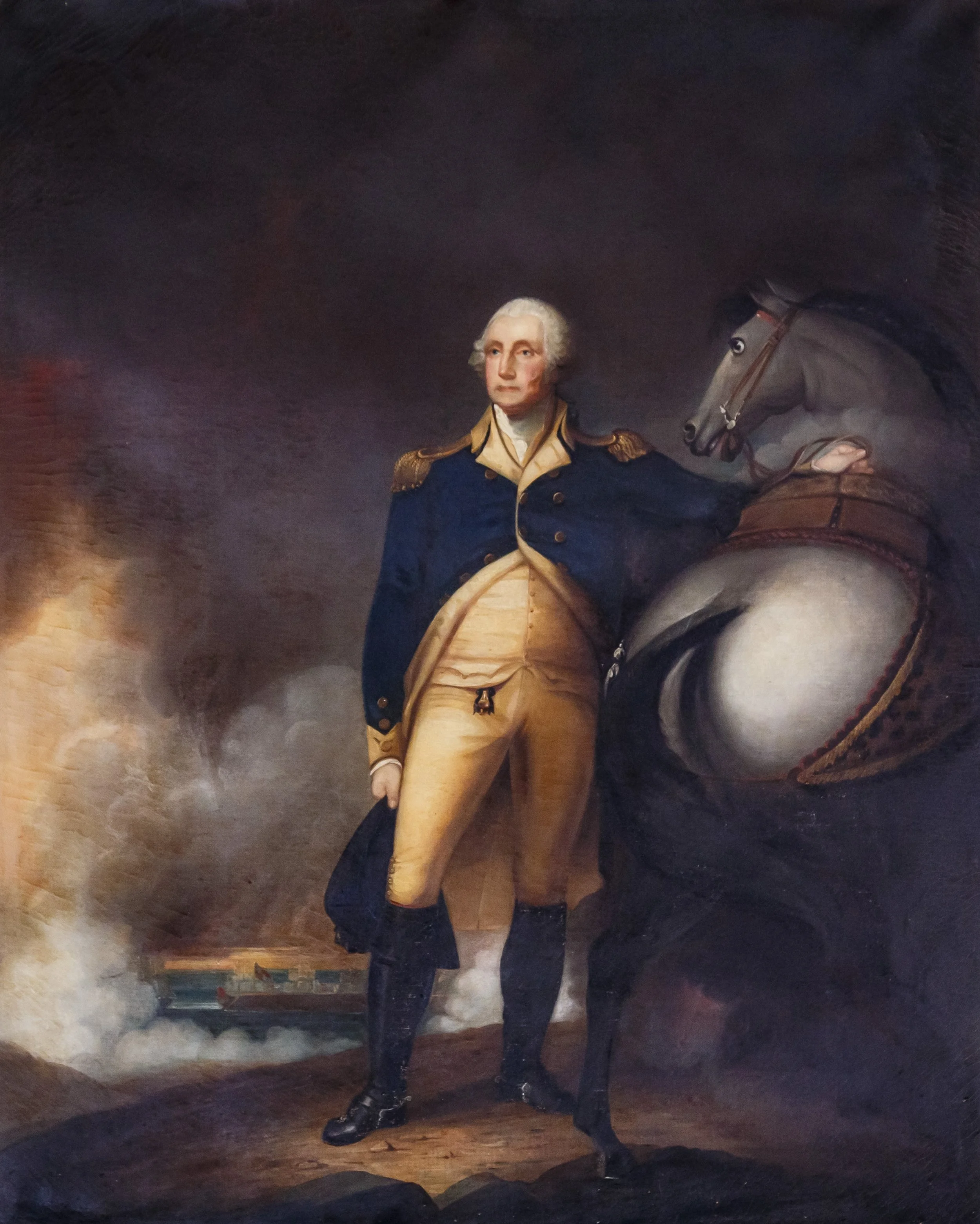
George Washington at Dorchester Heights, Gilbert Stuart (Wikimedia Commons)
What the World Thinks of George Washington
Encamped outside British-occupied Boston, beset by a thousand worries and responsibilities, George Washington wondered what Americans thought of him. He unburdened himself in a letter to his friend and comrade Joseph Reed in a letter on February 10, 1776. “Nothing would give me more real satisfaction than to know the Sentiments which are entertaind of me by the Publick, whether they be favourable, or otherwise,” Washington wrote.
So far, as commander in chief of the Continental Army, it seemed that he had accomplished exactly nothing. Did his countrymen think he was incompetent? “I know the unhappy predicament I stand in. I know, that much is expected of me—I know that without Men, without Arms, without Ammunition, without any thing fit for the accomodation of a Soldier that little is to be done—and, which is mortifying; I know, that I cannot stand justified to the World without exposing my own Weakness & injuring the cause by declaring my wants, which I am determined not to do further than unavoidable necessity . . . If under these disadvantages I am able to keep above Water (as it were) in the esteem of Mankind I shall feel myself happy; but, if from the unknown, peculiarity of my Circumstances, I suffer in the opinion of the World I shall not think you take the freedom of a friend if you conceal the reflections that may be cast upon my conduct.”
Continue he must, but in consciousness that he stood to lose what he valued most: his reputation.
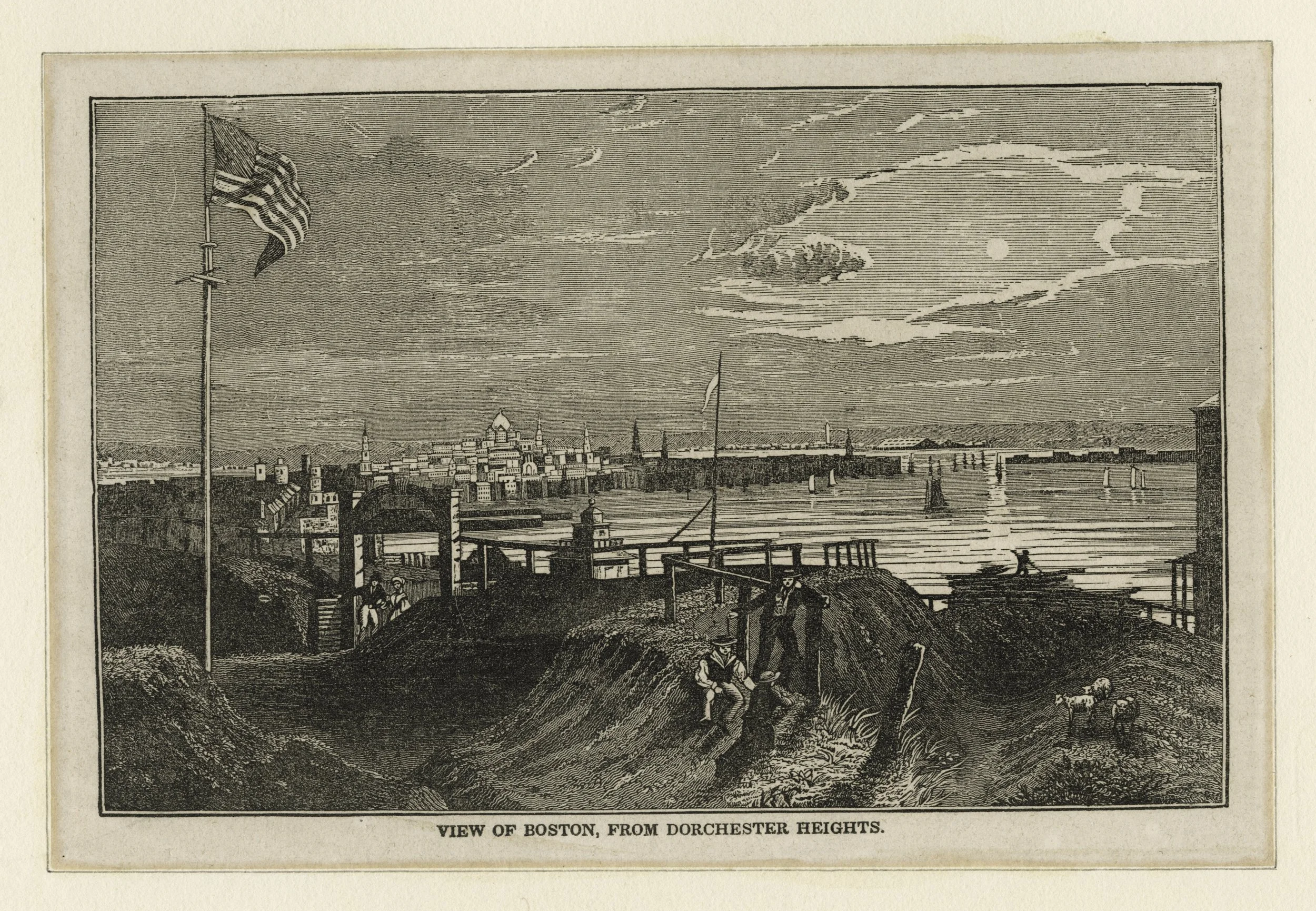
View of Boston from Dorchester Heights (Wikimedia Commons)
Glimmerings of a Daring Plan
What to do? Washington—in his youth a passionate gambler—yearned to throw the dice and attack Boston; but reason held him back. “If I did not consult the publick good more than my own tranquility,” he admitted, “I should long e’re this have put every thing to the cast of a Dye.” The British positions around Boston were formidable, seemingly impregnable. Should he launch a massive, bloody attack? “I believe an Assault will be attended with considerable loss,” he told Reed; “and I believe it would Succeed, if the Men should behave well.”
But another possibility beckoned. On the following day, February 11, Lieutenant Colonel Rufus Putnam of Massachusetts wrote to Washington with an idea. If the artillery pieces that Colonel Henry Knox had brought from Ticonderoga, supplied with carefully hoarded but still barely sufficient ammunition and powder, could be emplaced on Dorchester Heights, overlooking Boston from the south, the British forces there could be brought under bombardment.
Intrigued, Washington visited the heights with Knox, Putnam, and other officers on February 11, pondering how they could move the guns and supplies over open ground up to the heights without coming under fire from British artillery; and how they could emplace and fortify the guns on the heights, given that the ground was frozen solid. Putnam thought the guns could be moved there under some form of covered approaches, and that some kind of above-ground fortifications could be built to shelter the guns. But the operation would need more thought, planning—and ultimately, flawless execution.
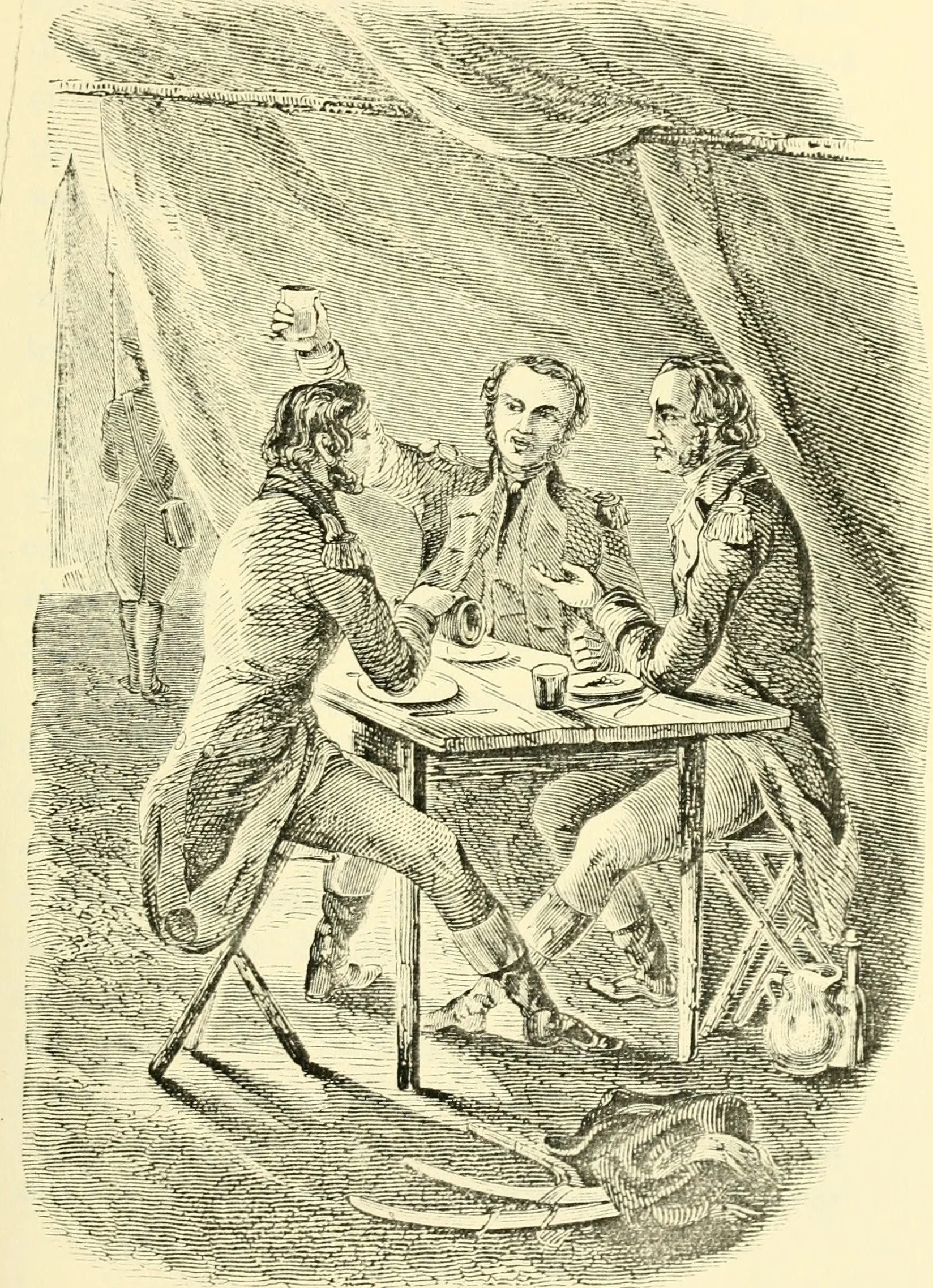
Continental Officers (Wikimedia Commons)
A Momentous Council of War
250 years ago on this date, February 16, 1776, George Washington assembled his officers in a Council of War. He laid two possibilities before them.
First: throw the “dye.” Assemble the troops for an all-out attack at Charlestown Neck just outside Boston, maybe even throw the troops across the harbor ice, and engage the British forces in a titanic and sanguinary battle that could destroy the enemy army. The cost to the Americans would be heavy, with many lives lost, but maybe their sacrifices could end the war in one blow. As he had told Reed, Washington was sure this attack would succeed, if—and only if—the men fought well. But the example of the disastrous American attack on Quebec on December 31, 1775, was foremost in Washington’s mind. There, the Americans had not pressed home their attack, but broken and fled.
Second: move the artillery up to Dorchester Heights—still a risky and dangerous proposition—and take the British under bombardment. It seemed like a half-measure. What it might accomplish, even if the move succeeded, was unclear. But it was something to do.
The officers meditated, debated, and finally pronounced. Attacking Boston right now was a very bad idea. The American troops were shaky, poorly armed and badly supplied; the British were well entrenched. “Resolved,” the officers declared, “that an Assault on the Town of Boston in the present circumstances of the Continental Army is . . . Judged Improper.”
To the second idea, the officers still balked. The need for powder to supply the guns was all-consuming. As yet they didn’t have enough. In time, though, they might; and so it was that the officers “Resolved that a Cannonade & Bombardment will be expedient and advisable as soon as there shall be a proper Supply of powder & not before, & that in the mean Time, preparations should be made to take possession of Dorchester Hill.” They could do so, the officers said, “with a view of drawing out the Enemy”; meaning, into an attack on Dorchester Heights, where the British infantry might incur overwhelming casualties and wallow in their own blood, as they had done at Bunker Hill the year before.
A few weeks later, in March 1776, their decision would be put to the test, with Boston’s—and the country’s—fate in the balance.