George Washington @ 250: A Combat Veteran Considers the American Soldier
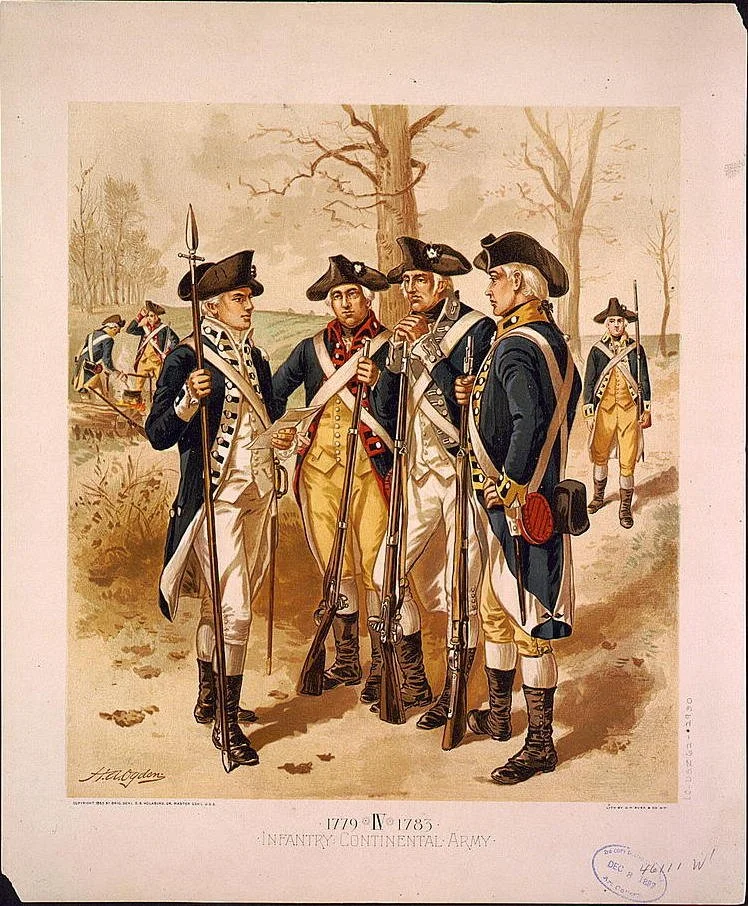
Continental Soldiers (Library of Congress)
250 years ago this week, General George Washington, Commander in Chief of the Continental Army encamped outside British-occupied Boston, felt paralyzed, incapable of movement, unable to act, control of the struggle for American freedom slipping slowly from his grasp. Without immediate reform of the Continental Army generally, and of American soldiers individually, defeat seemed inevitable.
General Charles Lee, still wracked by gout, was as good as his word to Washington, and went to New York City on a stretcher despite his worries that he would cut a “ridiculous figure.” He met there a committee appointed by the Continental Congress to assist him in making preparations to defend the city against eventual British attack. But, as committee member Thomas Lynch told Washington, “everything is wanting,” and their work wasn’t made any easier by the “Strong Apathy that hold[s] Congress in fetters,” making it harder to get things done.
Washington had bigger worries than this. He could not stop thinking about his soldiers and their limitations. The death of General Richard Montgomery during the attack on Quebec on December 31, 1775, seemed to Washington to expose the inherent weakness of the American army and the American soldier. During the attack, he had heard, Montgomery’s soldiers had abandoned him even as he lay dying; especially those whose terms of army enlistment expired with the end of the year. Whatever the crisis, whatever the need, they decided to go home.
On February 9, 1776—250 years ago today—Washington unburdened himself in a letter to John Hancock, President of the Continental Congress. The general’s words were prophetic.
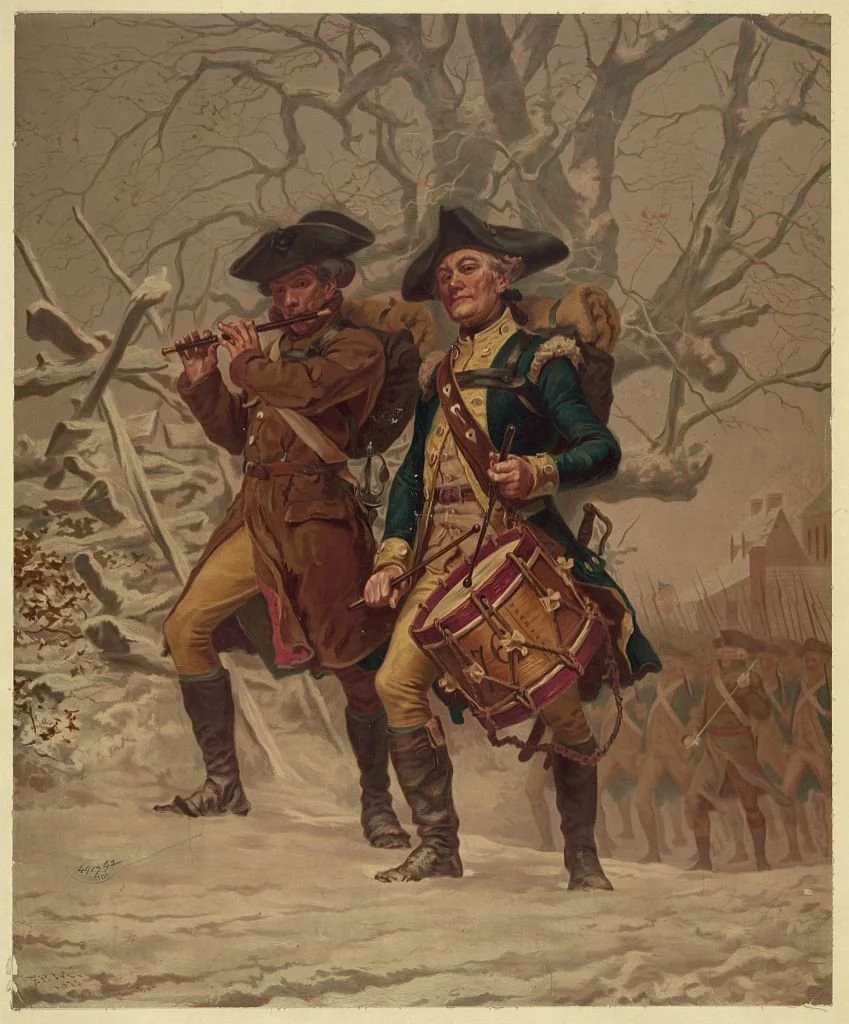
Continental Soldiers, 1875 Painting (Library of Congress)
Reforming the Army; Remaking the American Soldier
So long as troops were recruited for just one year’s service, Washington insisted to Hancock, “you never can have a well Disciplined Army.” Continuing, the commander in chief spoke as a combat veteran, a soldier who understood soldiers, with insights generally lacking among Congress’s civilian delegates, who thought that high ideals alone should win wars:
“To bring Men well acquainted with the Duties of a Soldier, requires time—to bring them under proper discipline & Subordination, not only requires time, but is a Work of great difficulty . . . To expect then the same Service from Raw, and undisciplined Recruits as from Veteran Soldiers is to expect what never did, and perhaps never will happen—Men who are familiarized to danger meet it without shrinking; whereas those who have never seen Service often apprehend danger where no danger is.”
Washington spoke from the heart, recalling things he knew, because he had seen them in battle during the French and Indian War. “Three things,” he said, “prompt Men to a regular discharge of their Duty in time of Action, Natural bravery—hope of reward—and fear of punishment—The two first are common to the untutored, and the Disciplined Soldier; but the latter, most obviously distinguishes the one from the other. A Coward, when taught to believe, that if he breaks his Ranks, & abandons his Colours, will be punished with Death by his own party, will take his chance against the Enemy; but the Man who thinks little of the one, and is fearful of the other, acts from present feelings, regardless of consequences.”
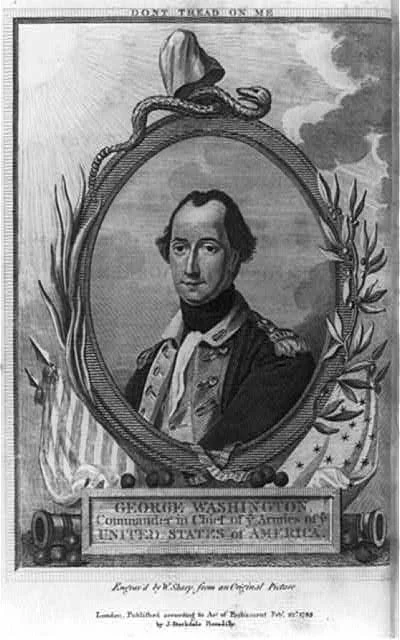
George Washington (Library of Congress)
An Army Without Discipline is Doomed to Failure
Discipline, Washington firmly believed, was essential for a functioning, let alone a successful army. Militia lacked this essential quality; so did Continental soldiers enlisted for just one year. “Men of a days standing will not look forward,” he said, “and from experience we find, that as the time approaches for their discharge they grow careless of their Arms, Ammunition, Camp Utensils . . . But this is not all, Men ingaged for a short, limited time only, have the Officers too much in their power; for to obtain a degree of popularity, in order to induce a second Inlistment, a kind of familiarity takes place which brings on a relaxation of Discipline—unlicensed furloughs—and other Indulgences incompatable with order and good government; by which means, the latter part of the time for which the Soldier was engaged, is spent in undoing what you were aiming to inculcate in the first.”
Ever deferential to civilian authority, Washington demanded nothing from Hancock, or Congress. He sought to convince by explaining. For a long time, his explanations failed. One year enlistments continued for the duration of 1776. On the last day of that year, on the Delaware River’s snowy banks, he would face these ugly truths again at a time of crisis that made the time he spent outside Boston seem like a cozy holiday.
Then, on December 31, 1776, the soldiers’ decisions on whether to remain in uniform for a few more weeks—or to abandon General Washington, as they had done to General Montgomery—would help decide the fate of the American Revolution.