 Image 1 of 1
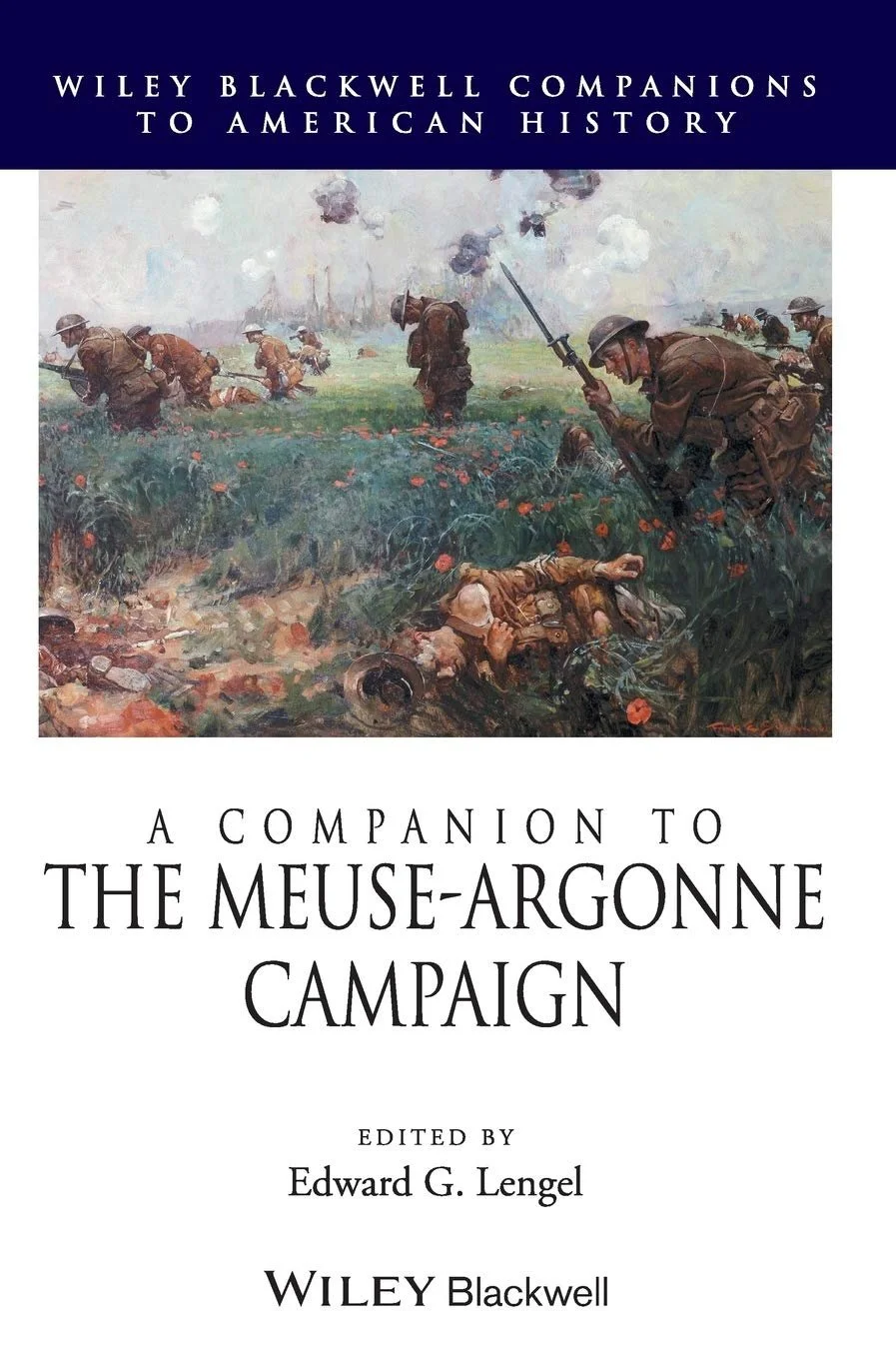
A Companion to the Meuse-Argonne Campaign explores the single largest and bloodiest battle in American military history, including its many controversies, in historiographical essays that reflect the current state of the field.
Presents original essays on the French and German participation in ‒ and perspectives on ‒ this important event
Makes use of original archival research from the United States, France, and Germany
Contributors include WWI scholars from France, Germany, the United States, and the United Kingdom
Essays examine the military, social, and political consequences of the Meuse-Argonne and points the way for future scholarship in this area
The Meuse-Argonne was the single largest and bloodiest battle in American military history, which defined American military experience in the First World War and profoundly impacted the course of the War and the development of American military doctrine.
Yet, despite its size and importance, the battle has up until now received little attention from researchers. A Companion to the Meuse-Argonne Campaign provides an opportunity for World War I scholars to explore numerous facets of this battle, including many controversies about its value, importance, and cause, in historiographical essays that reflect the current state of the field in each instance.
The text is organized into seven sections, containing a total of 35 essays which deal with various aspects of this battle and the larger campaign. Narrative chapters are combined with specific episodes within the three broader phases of the month-and-a-half-long campaign as well as thematic essays covering key issues across all the fighting. For the first time original essays are presented on the French and German participation in ??? and perspectives on ??? this important event, providing a major contribution to our understanding of this crucial event.
Wiley-Blackwell, 2014
A Companion to the Meuse-Argonne Campaign explores the single largest and bloodiest battle in American military history, including its many controversies, in historiographical essays that reflect the current state of the field.
Presents original essays on the French and German participation in ‒ and perspectives on ‒ this important event
Makes use of original archival research from the United States, France, and Germany
Contributors include WWI scholars from France, Germany, the United States, and the United Kingdom
Essays examine the military, social, and political consequences of the Meuse-Argonne and points the way for future scholarship in this area
The Meuse-Argonne was the single largest and bloodiest battle in American military history, which defined American military experience in the First World War and profoundly impacted the course of the War and the development of American military doctrine.
Yet, despite its size and importance, the battle has up until now received little attention from researchers. A Companion to the Meuse-Argonne Campaign provides an opportunity for World War I scholars to explore numerous facets of this battle, including many controversies about its value, importance, and cause, in historiographical essays that reflect the current state of the field in each instance.
The text is organized into seven sections, containing a total of 35 essays which deal with various aspects of this battle and the larger campaign. Narrative chapters are combined with specific episodes within the three broader phases of the month-and-a-half-long campaign as well as thematic essays covering key issues across all the fighting. For the first time original essays are presented on the French and German participation in ??? and perspectives on ??? this important event, providing a major contribution to our understanding of this crucial event.
Wiley-Blackwell, 2014